Nipah Virus: Symptoms, Causes, Treatments, Where It Is Found, and How It Spreads
The Nipah virus is a rare but deadly zoonotic disease that has raised global health concerns due to its high fatality rate and lack of a specific vaccine or treatment. Recent cases reported in India have triggered heightened surveillance across Asia, including Pakistan, and sparked discussions about its potential impact on major events like the 2026 ICC T20 World Cup.
This article explains what the Nipah virus is, where it is found, how it spreads, its symptoms and treatments, and the latest situation in India and Pakistan.
What Is the Nipah Virus?
The Nipah virus (NiV) is a zoonotic virus, meaning it spreads from animals to humans. It belongs to the Henipavirus genus and was first identified during an outbreak in Malaysia in 1998.
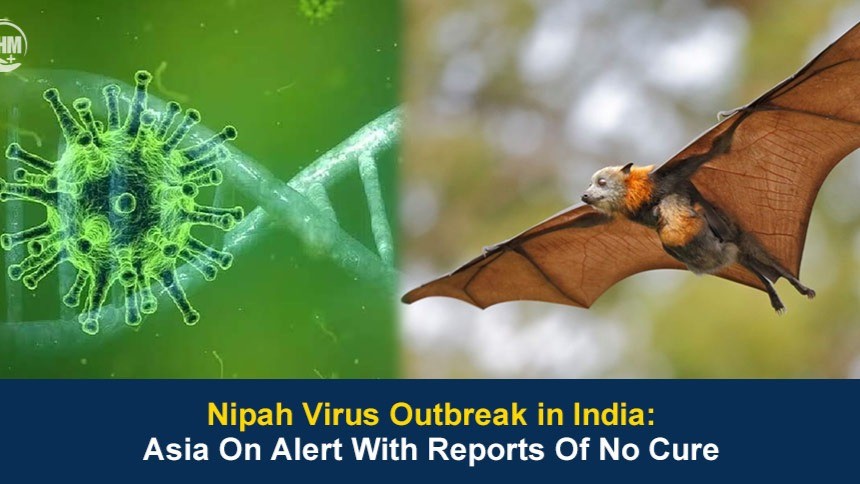
Fruit bats, particularly those from the Pteropus species (also called flying foxes), are the natural hosts of the virus.
The virus is considered a priority pathogen by the World Health Organization due to its high fatality rate and epidemic potential.
Key Facts About Nipah Virus
- Fatality rate: 40% to 75%
- No approved vaccine or specific treatment available
- Can cause severe neurological and respiratory complications
- Rare but highly dangerous infection
Where Is the Nipah Virus Found?
The Nipah virus has primarily been reported in South and Southeast Asia.
Regions with Recorded Nipah Outbreaks
- Malaysia and Singapore (first outbreak)
- Bangladesh
- India (Kerala, West Bengal, and other states)
These regions are sometimes referred to as the “Nipah Belt,” where outbreaks have occurred repeatedly over the past decades.
How Does the Nipah Virus Spread?
The Nipah virus spreads through multiple pathways, including animals, food, and human contact.
Primary Modes of Transmission
- Animal-to-human transmission
- Contact with infected bats or pigs
- Food-borne transmission
- Eating fruit contaminated by bat saliva or urine
- Human-to-human transmission
- Close contact with infected individuals or bodily fluids
Although person-to-person transmission is possible, it usually requires prolonged or close contact, making widespread outbreaks less frequent.
Symptoms of Nipah Virus Infection
Symptoms can range from mild flu-like illness to severe neurological complications.
Early Symptoms
- Fever
- Headache
- Muscle pain
- Vomiting
- Sore throat
Severe Symptoms
- Difficulty breathing
- Dizziness and confusion
- Seizures
- Encephalitis (brain inflammation)
- Coma
The incubation period typically ranges from 4 to 14 days but can sometimes extend longer, complicating detection and containment.
Treatment and Prevention of Nipah Virus
Treatment
There is currently no specific antiviral treatment or approved vaccine for Nipah virus infection. Treatment mainly involves supportive care, including managing symptoms and complications.
Prevention Measures
- Avoid contact with bats and infected animals
- Do not consume raw or contaminated fruit or date palm sap
- Maintain hygiene and infection control in healthcare settings
Latest Situation of Nipah Virus in India (2026)
India recently confirmed new Nipah virus cases in West Bengal, triggering regional health alerts and increased monitoring.
Health authorities reported that the cases were detected among healthcare workers, and nearly 200 contacts were traced and tested, with no widespread outbreak confirmed so far.
Countries across Asia have tightened airport screenings and health checks following the Indian cases.
How Many People Are Affected in India?
- Confirmed cases: At least two reported in West Bengal
- Contacts traced: Nearly 196 individuals monitored
- Transmission: Limited, with no large-scale outbreak confirmed
What Is the Indian Government Doing for Nipah Virus?
Indian authorities have taken several measures to prevent the spread of the virus:
- Contact tracing and testing of close contacts
- Enhanced surveillance and monitoring systems
- Public health advisories and awareness campaigns
Officials have stated that the situation is under control and closely monitored.
Will the Nipah Virus Affect the T20 World Cup 2026 in India?
Concerns have emerged about whether the Nipah virus outbreak could impact the 2026 ICC Men’s T20 World Cup scheduled to be hosted in India.
Some reports suggest calls to shift the tournament due to alleged underreporting and potential public health risks.
However, there is currently no official decision to relocate or cancel the tournament, and the situation remains under evaluation.
Expert Perspective
- Nipah is highly deadly but not highly contagious compared to pandemics like COVID-19.
- Large-scale disruption is possible only if human-to-human transmission increases significantly.
Conclusion:
At present, the T20 World Cup 2026 is not officially threatened, but authorities are monitoring the situation closely.
Nipah Virus Situation in Pakistan
Is Nipah Virus Present in Pakistan?
So far, Pakistan has not reported confirmed Nipah virus cases. However, due to the outbreak in India, the country has intensified preventive measures.
What Is the Pakistani Government Doing for Nipah Virus?
Pakistan has introduced strict screening and surveillance measures:
- Enhanced screening at airports, land borders, and seaports
- Thermal checks and clinical assessments of travelers
- Mandatory travel history review for the past 21 days
- Strengthened border health surveillance
These measures aim to prevent cross-border transmission and early detection of suspected cases.
Symptoms to Watch for Nipah Virus in Pakistan
Health authorities in Pakistan have advised monitoring symptoms such as:
- Fever
- Headache
- Respiratory problems
- Neurological symptoms
Travelers showing symptoms are being isolated and tested as a precaution.
Global Risk and Future Outlook of Nipah Virus
Globally, Nipah virus has caused hundreds of cases and deaths since its discovery, with mortality rates significantly higher than many other viral diseases.
Despite its high fatality rate, Nipah’s limited transmission capacity has so far prevented it from becoming a widespread pandemic.
However, experts warn that increased surveillance, research, and preparedness are essential to prevent future outbreaks.
Frequently Asked Questions about Nipah Virus
1. What is the Nipah virus?
The Nipah virus is a zoonotic virus that spreads from animals to humans and can cause severe respiratory and neurological illness. It has a high fatality rate and no specific vaccine.
2. How dangerous is the Nipah virus?
Nipah virus is considered highly dangerous because its fatality rate ranges from 40% to 75%. However, it is not as contagious as viruses like COVID-19.
3. How does the Nipah virus spread?
The virus spreads through:
- Contact with infected bats or animals
- Contaminated food such as fruits or date palm sap
- Close contact with infected people or bodily fluids
4. What are the symptoms of Nipah virus infection?
Common symptoms include:
- Fever and headache
- Muscle pain and vomiting
- Breathing difficulties
- Confusion, seizures, and encephalitis in severe cases
5. Is there a treatment or vaccine for Nipah virus?
There is currently no approved vaccine or specific antiviral treatment for Nipah virus. Treatment mainly focuses on supportive medical care and symptom management.
6. Where is the Nipah virus found?
Nipah virus outbreaks have been reported mainly in:
- India
- Bangladesh
- Malaysia
- Singapore
These regions are considered high-risk zones due to the presence of fruit bats.
7. What is the latest situation of Nipah virus in India?
India has reported new cases in recent years, with health authorities implementing contact tracing, testing, and surveillance. The situation is under monitoring, with no widespread outbreak reported.
8. Is the Nipah virus present in Pakistan?
Pakistan has not reported confirmed Nipah virus cases so far. However, the government has strengthened screening and surveillance measures at borders and airports as a precaution.
9. Will the Nipah virus affect the T20 World Cup 2026 in India?
Currently, there is no official decision to cancel or move the T20 World Cup 2026. Experts say the risk remains low unless human-to-human transmission increases significantly.
10. Can Nipah virus cause a pandemic?
Although the Nipah virus is highly lethal, it has limited human-to-human transmission. This makes a global pandemic less likely, but experts still consider it a potential future threat.
11. How can people protect themselves from the Nipah virus?
Preventive measures include:
- Avoiding contact with bats and infected animals
- Not consuming contaminated fruits or raw date palm sap
- Maintaining hygiene and avoiding close contact with infected individuals
12. Who is most at risk of Nipah virus infection?
People at higher risk include:
- Healthcare workers
- People in close contact with infected patients
- Communities living near bat habitats
- Individuals consuming contaminated food