Nipah Virus Alert in Pakistan: Latest Situation, Risks, Symptoms, and Government Response
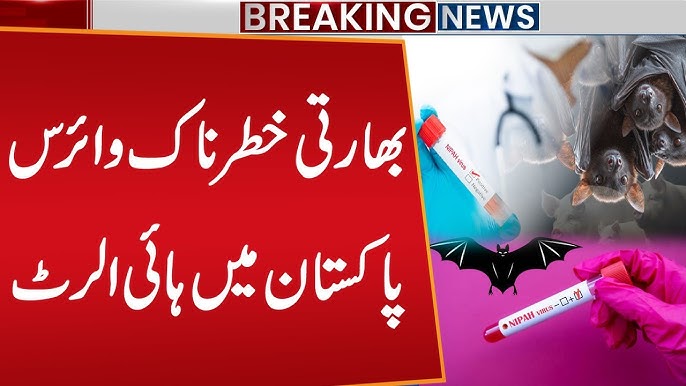
Pakistan has issued a nationwide alert over the Nipah virus following recent confirmed cases in India. While no confirmed cases have been reported in Pakistan so far, authorities have tightened screening at borders and airports and warned health institutions to remain vigilant.
This article provides a complete, fact-checked overview of the Nipah virus situation in Pakistan, including risks, symptoms, preventive measures, and expert concerns.
What Is the Nipah Virus and Why Is Pakistan on Alert?
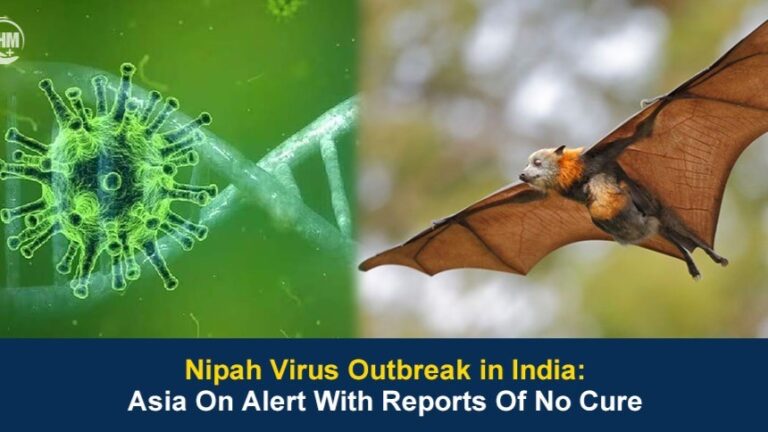
The Nipah virus is a rare but highly fatal zoonotic virus that spreads from animals, especially fruit bats, to humans and can also transmit through close human contact. The fatality rate ranges between 40% and 75%, and there is currently no approved vaccine or specific treatment.
Pakistan’s alert was triggered after India confirmed new cases of the virus, prompting several Asian countries to intensify health checks and surveillance.
Current Situation of Nipah Virus in Pakistan
Are there Nipah cases in Pakistan?
- Pakistan has not reported any confirmed Nipah virus cases so far.
- However, the government has declared a high-alert situation due to the virus spreading in neighboring countries.
Health experts warn that the risk is not hypothetical because fruit bats, the natural carriers of the virus, are present in Pakistan.
Government Measures in Pakistan
1) Strict screening at borders and airports
Pakistan has introduced enhanced screening at:
- Airports
- Land borders
- Seaports
All incoming travelers must undergo:
- Thermal screening
- Clinical assessment
- Travel history checks (last 21 days)
2) Mandatory monitoring and isolation protocols
Authorities have instructed health staff to:
- Watch for symptoms such as fever, respiratory issues, and neurological signs
- Immediately isolate suspected cases at entry points
3) Nationwide surveillance and vigilance
The federal government has ordered strict health surveillance at all entry points and hospitals to prevent potential spread.
4) Public health advisories
Health departments have urged citizens to stay informed and follow preventive measures due to the outbreak in neighboring countries.
Why Pakistan Is at Risk of Nipah Virus
Experts highlight several risk factors:
1) Presence of fruit bats
Fruit bats, the natural reservoirs of the Nipah virus, are widely found in Pakistan.
2) Geographic proximity to India
Pakistan shares a long border with India, where Nipah outbreaks have occurred repeatedly.
3) International travel
The virus’s incubation period allows infected travelers to cross borders before symptoms appear.
4) Public health challenges
Experts warn that under-diagnosis of viral encephalitis could delay detection of the first Nipah case in Pakistan.
Symptoms of Nipah Virus to Watch in Pakistan
Health authorities have identified key symptoms:
Early symptoms
- Fever
- Headache
- Muscle pain
- Vomiting
Severe symptoms
- Breathing difficulties
- Confusion or altered consciousness
- Neurological signs such as seizures
Any suspected case must be isolated and treated under strict infection-control protocols.
Preparedness of Pakistan’s Health System
Pakistan’s National Institute of Health has previously stated that the risk of Nipah virus occurrence is low but emphasized the need for vigilance.
However, experts caution that Pakistan’s healthcare system may struggle with early detection if surveillance is not strengthened.
Regional and Global Context
As of December 2025, there have been around 750 confirmed Nipah cases globally with 415 deaths, highlighting the virus’s high lethality.
Across Asia, countries such as Thailand, Singapore, Malaysia, and Vietnam have also tightened airport screenings to prevent cross-border transmission.
Could Nipah Virus Spread in Pakistan?
Experts say:
- Nipah virus is deadly but not highly contagious
- Human-to-human transmission usually requires close contact
This means a large outbreak in Pakistan is possible but unlikely without sustained transmission chains.
FAQs: Nipah Virus and T20 World Cup 2026
1. Will the Nipah virus affect the T20 World Cup 2026 in India?
Currently, there is no official announcement to cancel, postpone, or relocate the T20 World Cup 2026. Health authorities are monitoring the situation, but the risk is considered low unless the outbreak spreads widely.
2. Is the T20 World Cup 2026 likely to be cancelled?
No. As of now, there is no indication that the tournament will be cancelled. Nipah virus outbreaks have historically been localized, making large-scale disruption unlikely.
3. Can the T20 World Cup 2026 be moved to another country?
Some reports and discussions have suggested relocation if the situation worsens, but no official decision has been made by the ICC or Indian authorities.
4. How serious is the Nipah virus compared to COVID-19?
Nipah virus has a higher fatality rate but spreads much less easily than COVID-19. This makes a global pandemic or major event disruption less likely.
5. Are stadiums and public events at risk due to Nipah virus?
Large public events could face restrictions only if human-to-human transmission increases significantly. At present, there are no restrictions on sporting events.
6. Will international teams travel to India for the T20 World Cup?
Yes. There is currently no travel ban or advisory restricting teams from participating. International travel policies may change only if the outbreak escalates.
7. Are fans safe to attend the T20 World Cup matches?
At present, health experts believe the risk to the general public is low. Standard hygiene and precautionary measures are considered sufficient.
8. What measures could be taken during the T20 World Cup if Nipah cases rise?
Possible measures could include:
- Health screenings at airports and stadiums
- Enhanced medical facilities at venues
- Public health advisories for fans and players
- Isolation protocols for suspected cases
9. Has any major sports event been affected by Nipah virus before?
No major global sports event has previously been cancelled due to Nipah virus, as outbreaks have remained localized and limited.
10. What would trigger restrictions on the T20 World Cup 2026?
Restrictions could occur if:
- Sustained human-to-human transmission is confirmed
- Cases rise significantly across multiple regions
- Health authorities declare a public emergency
11. What is the ICC’s stance on the Nipah virus situation?
The ICC has not issued any statement suggesting changes to the T20 World Cup schedule. Decisions would depend on public health assessments.
12. Should travelers worry about visiting India during the T20 World Cup?
Health experts advise travelers to stay informed and follow hygiene precautions. There is no widespread travel warning related to Nipah virus at this time.